🔥 One of Our Most Popular Galactic Gleam 35K Devices Is Now Just $11.49 — US Warehouse

Sign in
If you do not have an account, click Create AccountCreate Account
ARE YOU OF LEGAL SMOKING AGE?
Some items are no longer available. Your cart has been updated.


This discount code cannot be used in conjunction with other promotional or discounted offer.
The Science Behind Mesh Vape Coils: Why They Changed Disposable Vaping
For years, disposable vapes relied on traditional round-wire coils. They worked, but they also came with familiar frustrations: burnt hits, uneven heating, and flavor that gradually faded after only a short period of use.
Mesh coil technology changed that.
Today, most premium disposable vapes use mesh coils because they produce cleaner flavor, smoother vapor, and more consistent performance from the first puff to the last. The difference isn't just marketing—it comes down to better engineering.
A conventional vape coil is made from a single metal wire wrapped into a spiral shape. When electricity passes through the wire, it heats the surrounding cotton and vaporizes the e-liquid.
While simple and effective, this design has several weaknesses.
Uneven Heating
Because only parts of the wire make direct contact with the wick, certain sections become hotter than others. These "hot spots" can overheat the e-liquid and create a burnt or harsh taste.
Limited Contact Area
A round wire offers relatively little surface area. Less contact with saturated cotton means less e-liquid is vaporized during each puff, resulting in lower vapor output and weaker flavor.
Performance Drops Over Time
As residue builds on the wire, heating becomes less efficient. Many users notice that the flavor becomes dull and the vapor less satisfying long before the device is empty.

Instead of a single wire, a mesh coil uses a thin sheet of metal with hundreds of tiny openings, forming a fine grid.
This simple design dramatically increases the heating surface while distributing heat much more evenly across the wick.
The result is a more efficient vaporization process that improves both flavor and consistency.
1. More Even Heat Distribution
The larger heating surface spreads energy across the entire coil rather than concentrating it in a few small areas.
What users notice:
A mesh coil exposes significantly more metal to the e-liquid than a traditional wire coil.
This allows more liquid to be vaporized at the same time, creating:
Instead of increasing power, mesh technology improves efficiency.
3. Faster E-Liquid Wicking
One common cause of dry hits is when the wick cannot replenish e-liquid quickly enough.
Mesh coils distribute heat across a wider area, reducing localized overheating and allowing the cotton to stay saturated more consistently.
Benefits include:
Flavor depends on how evenly the e-liquid is heated.
When heating is balanced, fruit, mint, beverage, and dessert profiles retain their intended characteristics instead of becoming muted or burnt.
Many experienced users describe mesh coils as delivering:
That's one reason mesh coils have become the preferred choice in premium disposable vape devices.
Consistent Flavor
A well-designed mesh coil helps maintain the same taste from the first puff until the e-liquid is nearly depleted.
Users typically experience:
Smoother Vapor
Even heating creates a softer and more balanced inhale.
Compared with older coil designs, mesh coils generally provide:
Longer Coil Life
Because heat is spread across a larger surface, stress on individual sections of the coil is reduced.
This helps minimize residue buildup and slows coil wear, allowing the device to maintain consistent performance for a longer period.
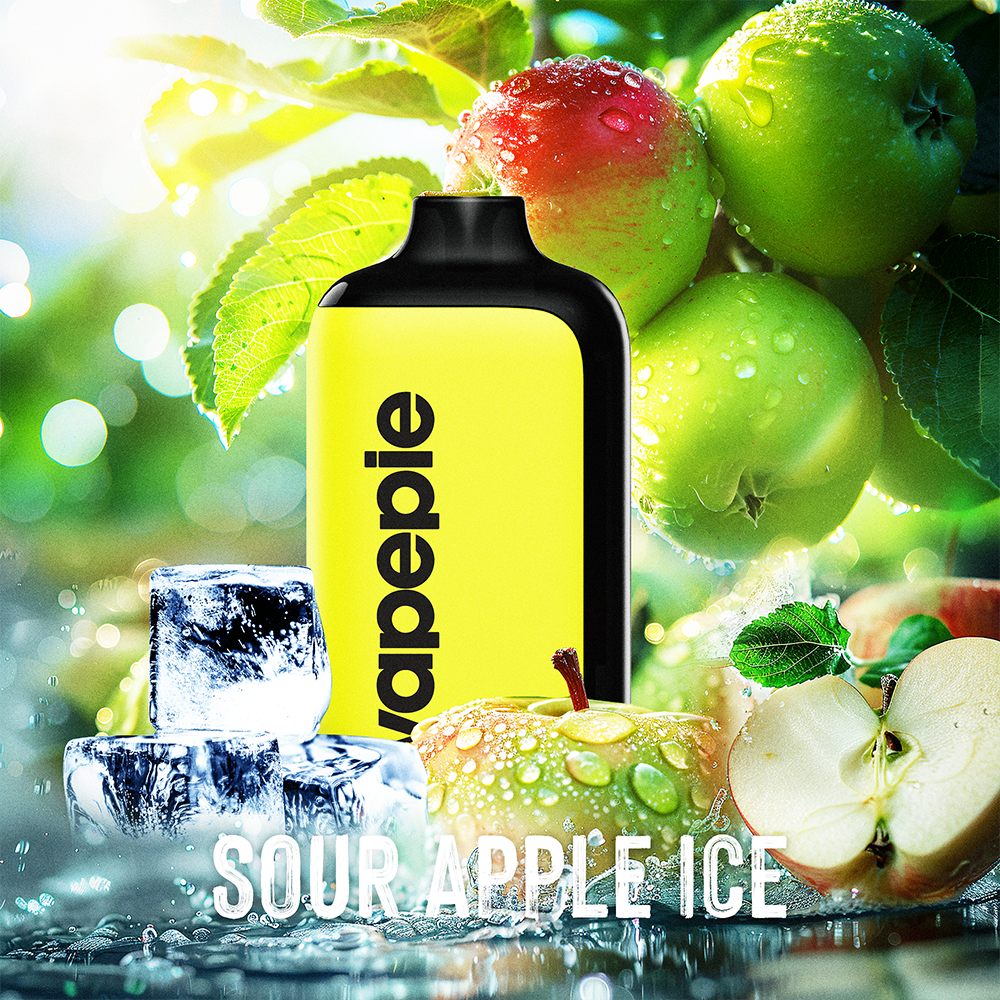
VAPEPIE integrates advanced mesh coil systems across multiple product lines, with each device optimized for a different vaping style.
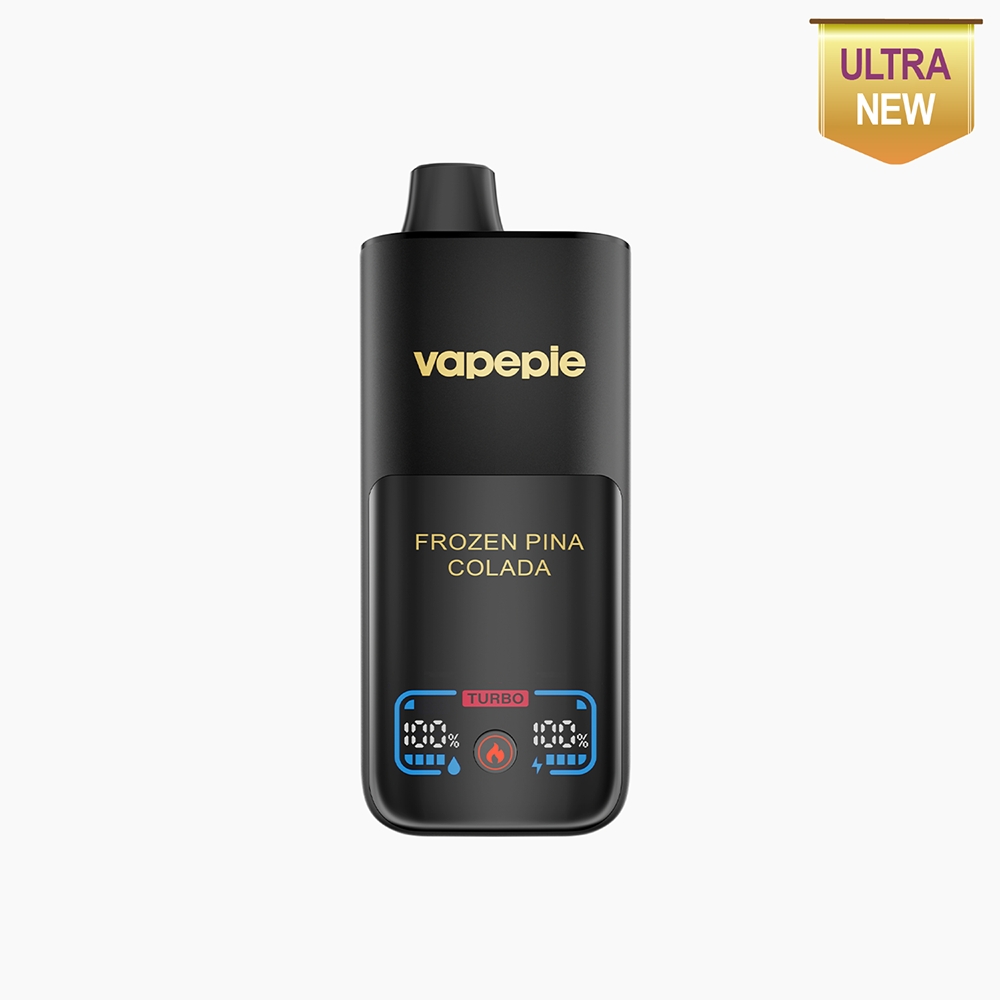
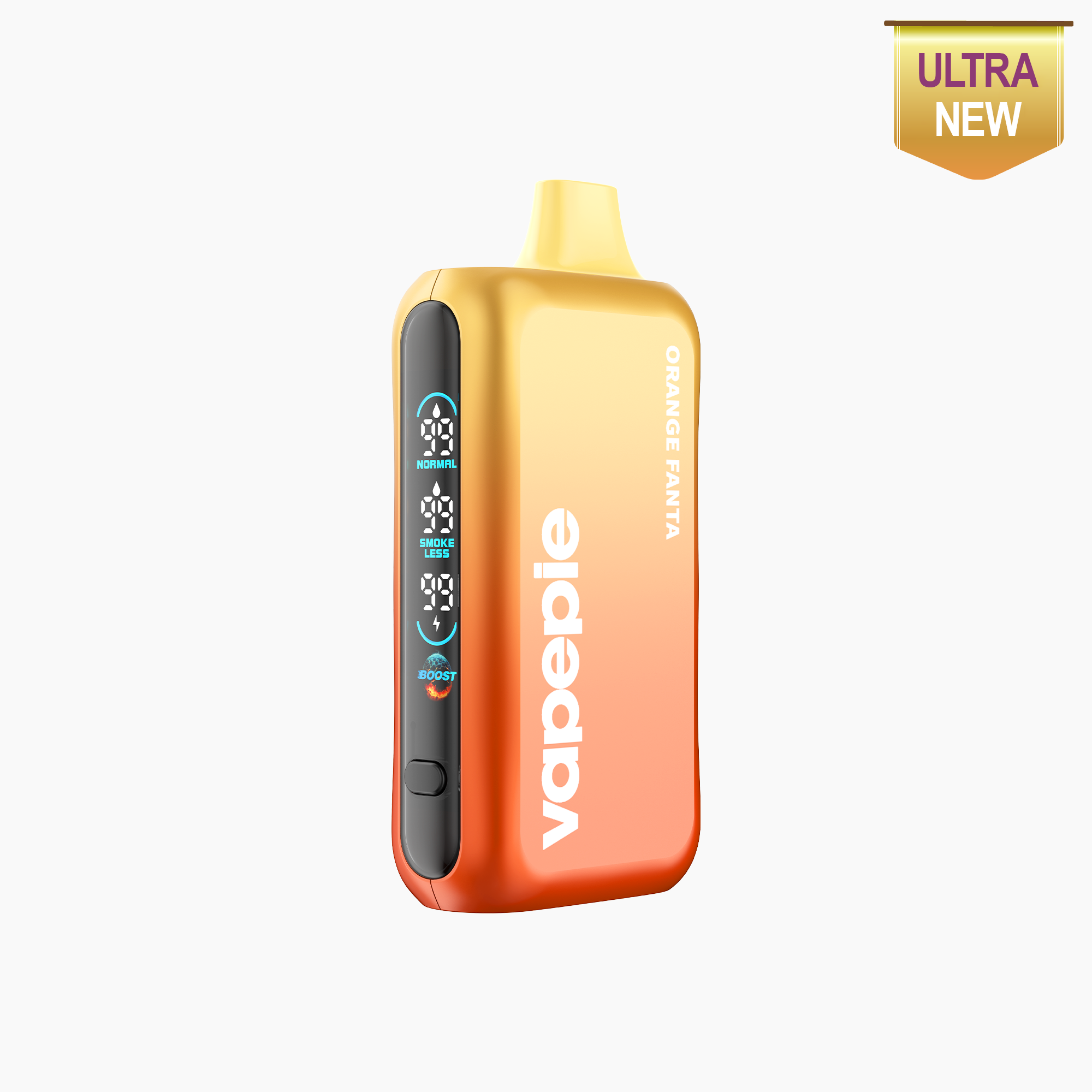
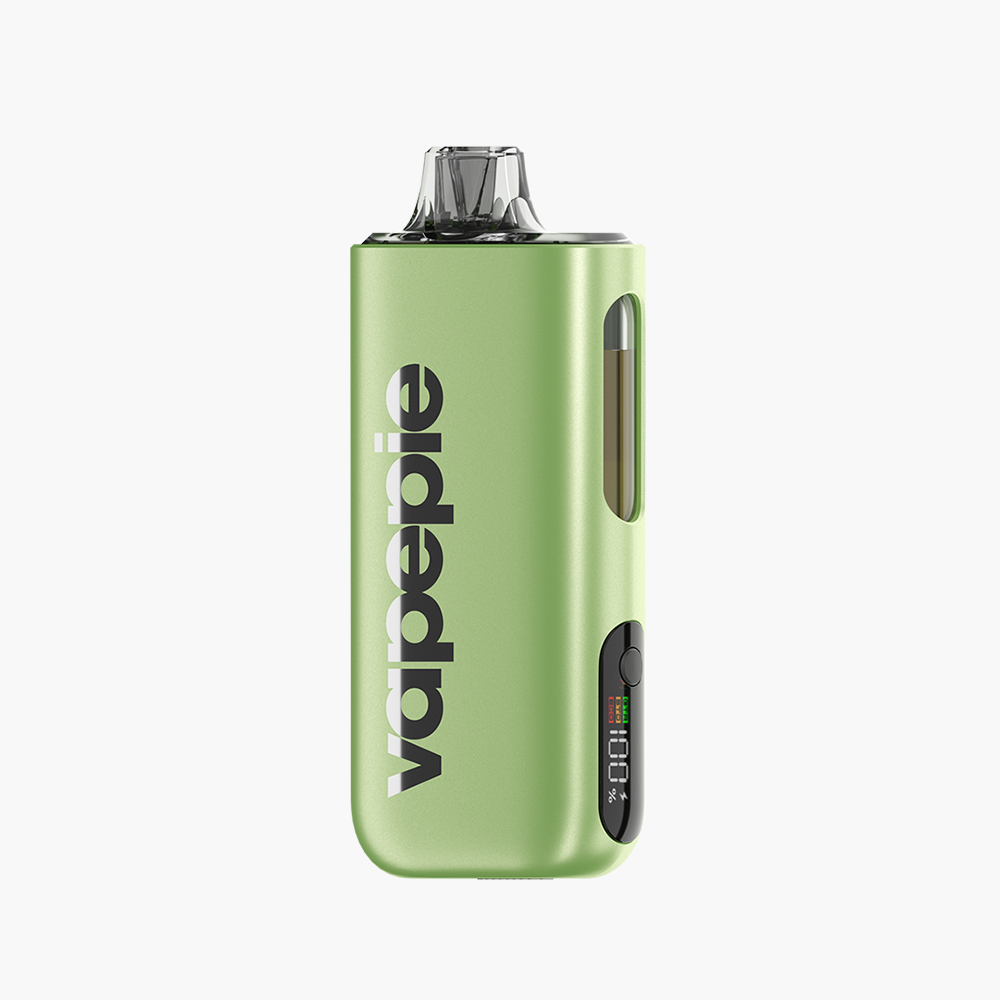
Rather than simply increasing power, these devices emphasize efficient heating and flavor consistency.
Mesh technology continues to evolve, with manufacturers exploring new materials and designs that further improve performance.
Emerging innovations include:
These developments are expected to make disposable vapes even more consistent and reliable.
Comment