🔥 One of Our Most Popular Galactic Gleam 35K Devices Is Now Just $11.49 — US Warehouse

Sign in
If you do not have an account, click Create AccountCreate Account
ARE YOU OF LEGAL SMOKING AGE?
Some items are no longer available. Your cart has been updated.


This discount code cannot be used in conjunction with other promotional or discounted offer.
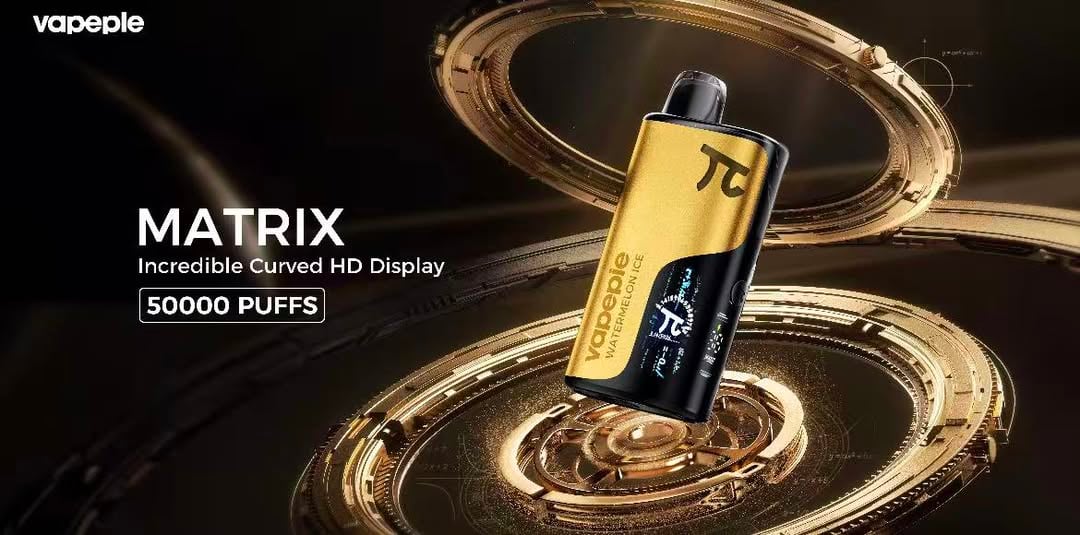
Electronic cigarettes (vapes) have become one of the most widely used alternatives to traditional smoking. But many people still wonder: what exactly is inside a vape, and how does it work?
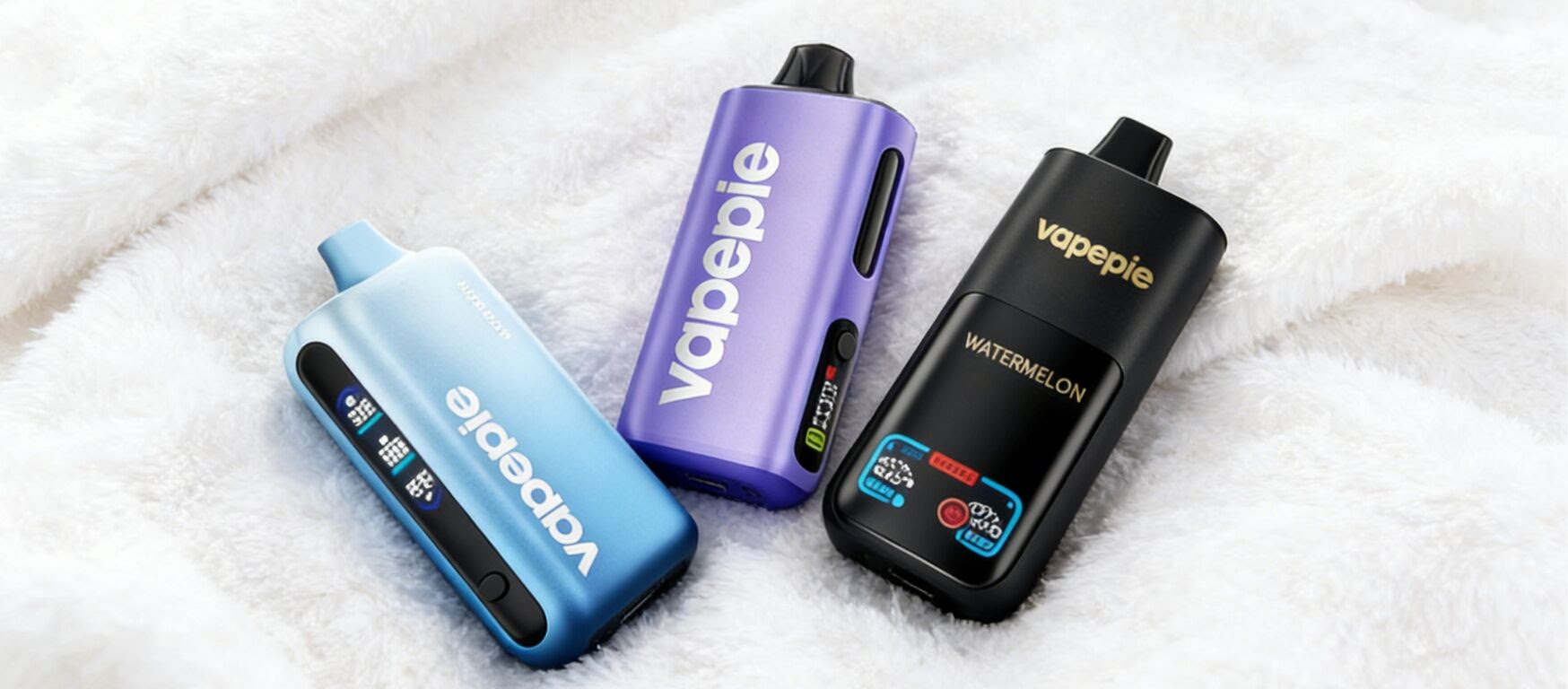
This guide explains the basic components, atomization principle, and the ingredients in e-liquid, helping you better understand how modern vaping devices function
An electronic cigarette (e-cigarette) is a device designed to simulate the experience of smoking without burning tobacco. Instead of combustion, the device heats a liquid (e-liquid or vape juice) and turns it into vapor that users inhale.
Unlike traditional cigarettes, which generate smoke through burning tobacco, vaping devices rely on controlled heating and vaporization. This eliminates many of the by-products created by combustion.
The working principle of a vape is actually quite simple.
When the device is activated, a battery powers a heating coil inside the atomizer, which warms the e-liquid. Once heated, the liquid turns into vapor that the user inhales.
In simple terms:
E-liquid + heating element (atomizer) + controlled heat = vapor
This process is similar to how everyday devices like humidifiers or facial steamers convert liquid into vapor through heat.
The key difference from traditional cigarettes is that nothing is burned—the liquid is simply heated and atomized.
Most vaping devices consist of two primary components:
The battery supplies power to the device and controls the heating process. In modern disposable or pod systems, the battery is usually integrated with the device.
The atomizer contains the heating coil and the e-liquid reservoir. When powered by the battery, the coil heats up and vaporizes the liquid.
Together, these components create the vapor that users inhale.
While the device provides the heating mechanism, the quality and composition of the e-liquid largely determine the vaping experience.
Most standard e-liquids contain four primary ingredients:
These ingredients are widely used in food, cosmetics, and pharmaceutical applications.
Propylene glycol is a common food additive used in many processed foods and beverages. In vaping, PG helps carry flavor efficiently and produces the “throat hit” sensation that many smokers are familiar with.
Because PG is thin and absorbs flavor well, it plays an important role in delivering a clear and consistent taste.
Vegetable glycerin is a plant-derived compound typically extracted from vegetable oils. It is widely used in foods, cosmetics, and skincare products.
In vaping, VG is the main ingredient responsible for dense vapor production. It has a slightly sweet taste and creates the visible vapor clouds associated with vaping.
VG can also be found in many everyday products such as:
Flavorings determine the taste profile of the vape. These flavor ingredients are similar to those used in common food and beverage products.
Popular flavor categories include:
Flavor selection is one of the key factors that distinguishes different vaping products.
Nicotine is a naturally occurring compound found in nightshade plants, including tomatoes, eggplants, peppers, and potatoes.
In vaping products, nicotine provides the satisfaction that many adult smokers seek when switching from cigarettes.
While nicotine itself can be addictive, many studies indicate that most of the health risks associated with smoking come from the harmful chemicals created during tobacco combustion, not nicotine alone.
Modern vape products often provide controlled nicotine levels, allowing adult users to choose concentrations that match their preferences.
Vaping technology is relatively straightforward. A typical vape device works by heating e-liquid to produce vapor, rather than burning tobacco like traditional cigarettes.
The experience mainly depends on two things:
Understanding these components helps explain why vaping devices can offer a different experience from traditional smoking.
As the industry evolves, manufacturers continue to refine device performance, ingredient quality, and safety standards, providing adult users with more controlled and customizable alternatives.
Recommended for You:VAPEPIE Disposable Vape User Guide
Comment